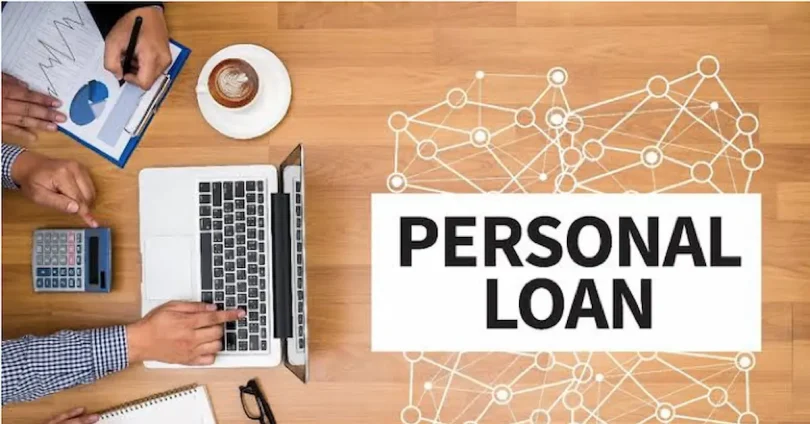

Taking a personal loan for the first time can feel confusing. There are many terms like EMI, interest rate, and credit score that may seem complicated, and it’s easy to make mistakes if you don’t understand how personal loans work.
A personal loan is a flexible way to borrow money for important needs such as paying for education, covering medical expenses, traveling, or handling emergencies. Unlike secured loans, personal loans usually do not require collateral, making them accessible for first-time borrowers. how personal loans work
This guide will explain how personal loans work, step by step, the key features, advantages, risks, and tips for borrowing wisely. By the end, you will understand how to use personal loans responsibly and make informed financial decisions.
What Is a Personal Loan?
A personal loan is a type of borrowing where you get a fixed amount of money from a bank, lender, or financial institution and agree to repay it over a specific period. The repayment includes both the principal (the amount you borrowed) and interest (the cost of borrowing the money).
Unsecured vs. Secured Personal Loans
Most personal loans are unsecured, which means you don’t need to pledge property, gold, or other assets as collateral. This makes them easier for beginners to access. Some personal loans can also be secured, requiring collateral, which may lower the interest rate.
Flexible Usage
One of the main advantages of personal loans is flexibility. Unlike home or car loans, which are tied to a specific purpose, personal loans can be used for:
- Medical emergencies
- Education expenses
- Home renovations
- Travel or vacation
- Debt consolidation
Repayment Structure
Personal loans are repaid through EMIs (Equated Monthly Installments). Each EMI includes a portion of the principal and interest. The repayment period, also called the loan tenure, can range from a few months to several years depending on the lender and loan amount.
Interest Rates and Costs
Because personal loans are usually unsecured, interest rates tend to be higher than secured loans. Lenders may also charge processing fees, prepayment fees, or late payment penalties. Understanding these costs is essential to borrowing responsibly.
Why Personal Loans Are Popular for Beginners
Personal loans are popular among first-time borrowers because they are:
- Quick and easy to apply for
- Flexible in use
- Suitable for short-term financial needs
- Helpful in building a credit history when repaid on time
By understanding what a personal loan is, beginners can make informed decisions and use this financial tool wisely.
How Personal Loans Work Step-by-Step
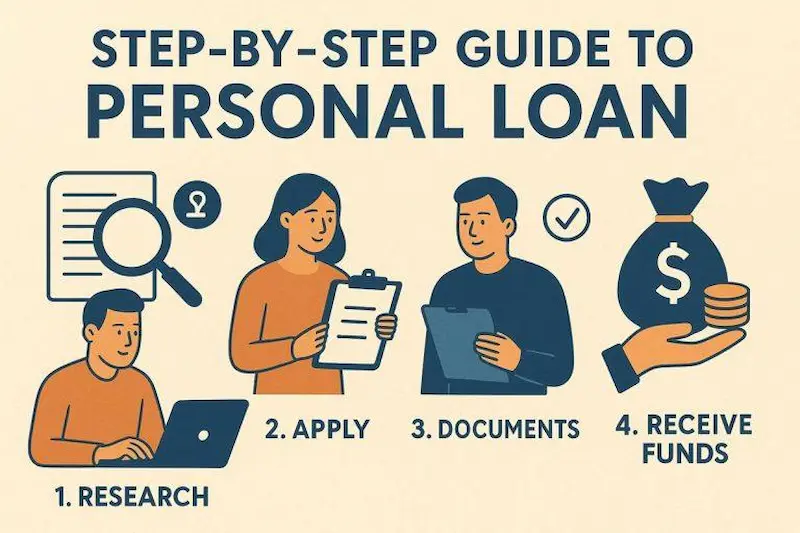
Understanding how personal loans work is essential for beginners. Borrowing responsibly starts with knowing each step of the process in detail. Here’s a more comprehensive explanation:
Step 1: Identify Your Loan Need
Before applying, it’s important to clearly define why you need the loan and the exact amount required. Borrowing more than necessary increases interest costs and can strain your budget. Common reasons for personal loans include medical emergencies, education, travel, weddings, home repairs, or debt consolidation.
Step 2: Check Eligibility
Most lenders have eligibility criteria such as age, minimum income, employment type (salaried or self-employed), and credit score. Checking eligibility beforehand prevents rejection and saves time. Some lenders also consider your existing debts and financial stability.
Step 3: Compare Lenders and Offers
Interest rates, processing fees, loan tenure, and other charges vary across lenders. Compare multiple banks or online lenders to find the best offer. Tools like online EMI calculators help estimate monthly payments and total repayment cost.
Step 4: Submit Your Application
You can apply for a personal loan online or offline. Required documents usually include:
- Proof of identity (ID card, passport, or driver’s license)
- Proof of income (salary slips, bank statements, or tax returns)
- Address proof (utility bills, rental agreement)
- Employment or business proof for self-employed applicants
Step 5: Verification and Credit Assessment
The lender checks your credit history and financial profile to assess repayment ability. A good credit score improves the chances of approval and can also result in a lower interest rate. Verification may include phone calls, emails, or document checks.
Step 6: Loan Approval and Offer Letter
Once verified, the lender sends a loan approval or offer letter. This includes:
- Loan amount
- Interest rate (fixed or floating)
- EMI amount
- Loan tenure
- Processing fee and other charges
Reading the agreement carefully is crucial before accepting the loan.
Step 7: Loan Disbursement
After accepting the offer, the lender transfers the loan amount directly to your bank account. In case of specific purposes like education or debt consolidation, funds may be paid directly to the institution or creditor.
Step 8: EMI Repayment
You repay the loan through Equated Monthly Installments (EMIs). Each EMI includes a portion of the principal and interest. Timely payments help maintain a good credit score and avoid penalties. Most lenders offer auto-debit options for convenience. how personal loans work
Step 9: Prepayment or Foreclosure (Optional)
If you want to repay the loan early, check for any prepayment or foreclosure charges. Prepayment can save money on interest, but some lenders may impose fees, especially for shorter tenures. how personal loans work
Step 10: Loan Closure
Once all EMIs are paid, your loan account is officially closed. Request a loan closure certificate as proof of repayment. For secured loans, collateral is released after full payment. how personal loans work
Extra Tips for First-Time Borrowers
- Keep track of all EMIs and due dates
- Avoid applying for multiple loans simultaneously
- Maintain a good credit score to access better loan terms in the future
- Use loan calculators to estimate EMIs and total interest before borrowing
By understanding these steps thoroughly, beginners can navigate the personal loan process confidently, manage repayments effectively, and avoid common pitfalls that can lead to financial stress. how personal loans work
you may also like to read these posts;
How to Check Loan Eligibility and Get Approved Quickly
Safe Loan Tips for Easy Approval and Smart Borrowing
Loan Approval Tips to Boost Your Approval Chances
Loan Basics for Beginners: Tips for Smart Borrowing
Key Features of Personal Loans
Understanding the key features of personal loans helps beginners know what to expect and how to use them responsibly. Here’s a simple breakdown: how personal loans work
1. Unsecured Loan
Most personal loans are unsecured, which means you don’t need to provide collateral like property, gold, or a car. This makes them easier to access, especially for first-time borrowers. how personal loans work
2. Flexible Usage
Personal loans can be used for almost any legal purpose. Whether it’s medical emergencies, travel, education, home repairs, or debt consolidation, you have the freedom to decide how to spend the money. how personal loans work
3. Fixed EMIs
Repayment is made in Equated Monthly Installments (EMIs). Each EMI includes a portion of the principal and interest. Fixed EMIs help you plan your monthly budget and manage finances easily.
4. Quick Approval and Disbursement
Personal loans are usually approved faster than secured loans. Many banks and online lenders can disburse funds within 24–72 hours, making them ideal for urgent financial needs. how personal loans work
5. Loan Tenure
The loan tenure is the period over which you repay the loan. It can range from a few months to several years, depending on the lender and the loan amount. Longer tenures reduce EMI amounts but may increase total interest paid. how personal loans work
6. Interest Rates
Personal loans generally have higher interest rates than secured loans because they are unsecured. Rates vary based on your credit score, income, loan amount, and lender policies. how personal loans work
7. Additional Charges
Besides interest, lenders may charge processing fees, prepayment charges, or late payment penalties. It’s important to read the loan agreement carefully to understand all costs. how personal loans work
8. Builds Credit History
Repaying personal loans on time helps improve your credit score, which can make it easier to access loans at better rates in the future.
By understanding these key features, beginners can make informed decisions, choose the right personal loan, and manage repayments effectively. how personal loans work
Advantages and Disadvantages of Personal Loans
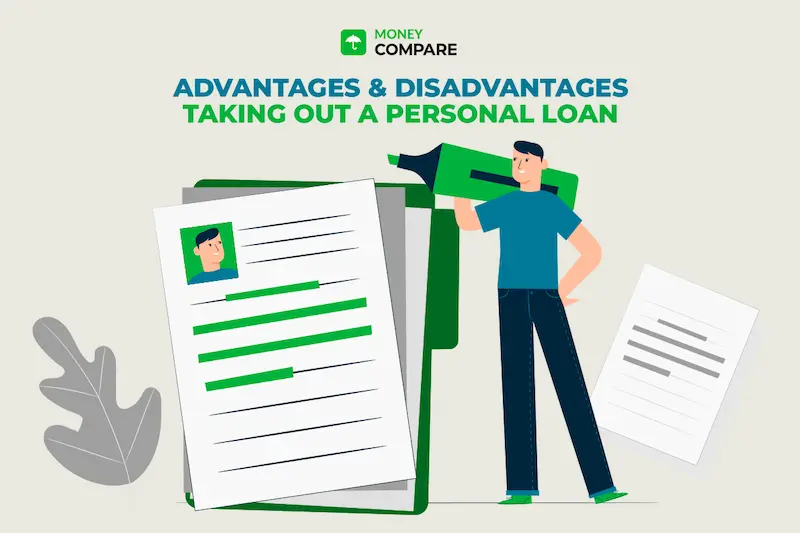
Understanding the pros and cons of personal loans helps beginners make smarter borrowing decisions.
Advantages of Personal Loans
1. Quick Access to Funds
Personal loans are usually approved faster than secured loans, and funds can be disbursed within a few days, making them ideal for emergencies.
2. Flexible Usage
You can use personal loans for almost any legal purpose, such as medical expenses, education, travel, home repairs, or debt consolidation.
3. No Collateral Required
Most personal loans are unsecured, so you don’t have to pledge property, gold, or other assets.
4. Fixed EMIs
Repayments are structured as fixed monthly EMIs, making it easier to plan your budget and manage finances.
5. Builds Credit History
Timely repayment of personal loans helps improve your credit score, which can help in getting future loans with better terms.
What is a personal loan?
A personal loan is money borrowed from a bank, lender, or financial institution that you repay in monthly installments (EMIs) with interest. Most personal loans are unsecured, meaning no collateral is required.
How much can I borrow through a personal loan?
Loan amounts vary by lender, your income, and credit score. Typically, personal loans range from $500 to $50,000 (depending on your country and lender).
What is the interest rate on a personal loan?
Interest rates depend on your credit score, income, loan amount, and lender policies. Personal loans usually have higher interest rates than secured loans.
Conclusion
Personal loans are a convenient and flexible way to access funds for important needs such as emergencies, education, travel, or debt consolidation. They are especially beginner-friendly because most personal loans are unsecured, quick to approve, and easy to manage through fixed monthly EMIs.
However, borrowing responsibly is key. Always evaluate your financial needs, compare lenders, understand interest rates and fees, and ensure that EMIs fit your budget. Timely repayment helps you build a good credit history and opens doors to better loan options in the future.
By understanding how personal loans work, beginners can use them wisely, meet financial goals faster, and avoid unnecessary debt or financial stress. Personal loans, when used responsibly, can be a valuable tool for managing your finances and achieving your goals.