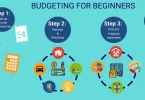

Saving money doesn’t have to be complicated or overwhelming. Even small, everyday actions can make a big difference over time. By making smart choices each day, you can build savings, avoid unnecessary debt, and work toward your financial goals without feeling stressed.
This guide on daily money saving tips is designed to help beginners take simple, practical steps to save money every day. From tracking your expenses and setting budgets to cooking at home and avoiding impulse purchases, these easy-to-follow tips can help you manage your money better and make your savings grow steadily.
No matter your income or lifestyle, starting with small daily habits can create a strong financial foundation and make long-term goals more achievable.
Track Your Daily Expenses
Tracking your daily expenses is the first and most important step in saving money. Many people underestimate how small purchases, like snacks, coffee, or transportation, add up over time. By keeping track, you can see exactly where your money is going and make informed decisions about spending and saving.
Use a Notebook or App
You can start with a simple notebook, writing down every expense you make throughout the day. If you prefer technology, budgeting apps or spreadsheets can make the process easier. Apps often categorize your spending automatically, showing you which areas are costing the most.
Include All Expenses
Be sure to track even the small purchases. Items like snacks, drinks, convenience store trips, or small online purchases can silently eat into your budget. Over a month, these little expenses can total a significant amount.
Analyze Your Spending Patterns
After a week or two, review your expenses. Look for patterns or habits that are costing you more than necessary. For example, daily takeout meals, unnecessary subscriptions, or impulse purchases may be draining your wallet.
Set Goals Based on Your Findings
Once you know where your money goes, you can set realistic savings goals. For example, if you notice spending $5–$10 daily on coffee, you might decide to brew your own at home and save that money instead.
Make Tracking a Daily Habit
The key to success is consistency. Tracking your expenses daily keeps you aware of your spending and helps you avoid overspending. Over time, this habit not only saves money but also teaches you better financial discipline.
Tracking your expenses is not about restriction; it’s about awareness, control, and smarter financial choices. Even a small effort each day can lead to big savings over time.
Set a Daily Budget

Creating a daily budget is one of the most effective ways to control your spending and start saving money consistently. Unlike monthly budgets, a daily budget breaks your finances into manageable chunks, making it easier to track and stick to.
Step 1: Calculate Your Monthly Disposable Income
Start by noting your total monthly income. Then subtract fixed expenses such as rent, utility bills, loan repayments, and insurance. The amount left is your disposable income—the money you can spend freely.
Example:
Monthly income: $1,200
Fixed expenses: $700
Disposable income: $500
Daily budget: $500 ÷ 30 ≈ $16 per day
This gives you a clear idea of how much you can afford to spend each day without overspending.
Step 2: Categorize Your Spending
Divide your daily budget into categories to manage it better:
- Food & groceries – meals, snacks, coffee
- Transportation – gas, public transport
- Entertainment & leisure – movies, hobbies, subscriptions
- Miscellaneous – unexpected small purchases
By assigning limits to each category, you can avoid overspending in one area while staying under budget overall. daily money saving tips
Step 3: Track and Adjust Daily
Keep track of your spending every day. Use a notebook, spreadsheet, or mobile app to log each expense. At the end of the day or week, review your spending and adjust if necessary.
Example:
If you spend less on transportation one day, you could use the extra money for groceries or save it. This flexibility keeps your budget realistic and sustainable. daily money saving tips
Step 4: Use Cash or Digital Tools
Consider using cash for your daily budget categories. This creates a visual limit—once the cash is gone, you know you can’t overspend. Digital wallets and budgeting apps can also help, sending reminders and tracking your spending automatically. daily money saving tips
Step 5: Plan for Small Savings
Include a small savings amount in your daily budget. Even $1–$2 a day saved can grow over time. This encourages the habit of saving regularly without drastically reducing your daily spending. daily money saving tips
Benefits of a Daily Budget
- Reduces stress by giving you control over daily spending
- Prevents impulse purchases
- Encourages mindful financial habits
- Helps build long-term savings gradually
- Makes it easier to identify and cut unnecessary expenses
A daily budget doesn’t mean giving up what you enjoy—it’s about spending smartly and saving consistently. By sticking to a daily budget, even beginners can take control of their finances and watch small savings grow into a healthy financial cushion. daily money saving tips
you may also like to read these posts;
How Personal Loans Work: Beginner’s Complete Guide
How to Check Loan Eligibility and Get Approved Quickly
Safe Loan Tips for Easy Approval and Smart Borrowing
Loan Approval Tips to Boost Your Approval Chances
Loan Basics for Beginners: Tips for Smart Borrowing
Cook at Home Instead of Eating Out
One of the easiest ways to save money daily is to cook at home instead of eating out or ordering takeout. While it may seem convenient to buy ready-made meals, frequent eating out can quickly drain your wallet over time. Cooking at home not only saves money but is usually healthier too. daily money saving tips
Plan Your Meals in Advance
Creating a weekly meal plan helps you buy only the ingredients you need, reducing waste and extra spending. Decide what you will cook for breakfast, lunch, and dinner, and stick to the plan as much as possible. daily money saving tips
Prepare Simple, Affordable Meals
You don’t need to cook complicated recipes to save money. Simple meals like rice, pasta, soups, or salads can be nutritious, quick, and budget-friendly. Preparing meals in batches can save time and ensure you always have food ready. daily money saving tips
Pack Lunch for Work or School
Bringing lunch from home can save a significant amount each month. Instead of buying lunch daily, pack leftovers or simple homemade meals. Even saving $5 a day adds up to $150 a month. daily money saving tips
Limit Ordering Takeout
If you enjoy takeout occasionally, limit it to special days. You can recreate your favorite dishes at home at a fraction of the cost. Apps that deliver food can make it tempting, but remember, small daily choices add up.
Use Leftovers Wisely
Leftovers can be reused for another meal or turned into something new. This reduces waste and ensures your food budget goes further. For example, leftover vegetables can become a soup or stir-fry the next day. daily money saving tips
Benefits of Cooking at Home
- Saves money compared to restaurants or delivery
- Allows control over ingredients for healthier meals
- Encourages planning and reduces food waste
- Builds useful cooking skills
Cooking at home may take a little extra effort, but the daily savings and healthier lifestyle make it worthwhile. Even small changes, like brewing your own coffee or preparing lunch at home, can save hundreds of dollars over time. daily money saving tips
Avoid Impulse Purchases

Impulse purchases are one of the biggest challenges to saving money. These are unplanned buys, often triggered by emotions, advertisements, or convenience. Even small, daily impulse purchases like snacks, coffee, or gadgets can add up and take a toll on your budget. daily money saving tips
Recognize Impulse Spending
The first step is awareness. Notice when you’re buying something you didn’t plan for. Common triggers include: seeing sales or discounts, browsing online shopping sites, or feeling bored or stressed. daily money saving tips
Pause Before Buying
A simple rule is to wait 24 hours before making any unplanned purchase. Often, the urge to buy will fade, and you’ll realize you don’t really need the item. daily money saving tips
Make a Shopping List
Always shop with a list, whether it’s for groceries, clothing, or personal items. Stick to the list to avoid buying extra items you don’t need. daily money saving tips
Avoid Temptations
- Unsubscribe from promotional emails that encourage online shopping
- Limit window shopping or browsing online marketplaces
- Keep credit cards out of reach or use cash to reduce overspending daily money saving tips
Set a Monthly Allowance for Treats
It’s okay to spend on small treats occasionally, but allocate a fixed amount each month. This keeps impulse spending under control while still allowing yourself some flexibility. daily money saving tips
Benefits of Controlling Impulse Purchases
- Frees up money for essential needs and savings
- Helps you stick to your daily budget
- Reduces financial stress
- Encourages mindful and intentional spending
By recognizing triggers and practicing self-control, you can significantly reduce unnecessary spending. Over time, controlling impulse purchases becomes a habit that contributes to consistent daily savings.
Why is saving money daily important?
Saving daily helps you build a habit, manage expenses better, and gradually grow your savings without feeling overwhelmed. Small consistent savings add up over time.
How much money should I save daily?
Even saving a small amount like $1–$5 per day can make a difference. The key is consistency. Increase the amount as your budget allows.
What’s the easiest way to track daily expenses?
You can use a notebook, spreadsheet, or budgeting apps to record your daily spending. Apps can categorize expenses automatically, making tracking simple.
Conclusion
Saving money daily doesn’t have to be complicated. By adopting small, consistent habits—like tracking expenses, setting a daily budget, cooking at home, and avoiding impulse purchases—you can take control of your finances without feeling stressed.
The key is consistency and awareness. Even tiny daily savings add up over time and can help you build an emergency fund, pay off debt, or achieve long-term financial goals. daily money saving tips
Remember, saving is not about restricting yourself; it’s about making smarter choices, managing your money wisely, and creating a stable financial future. Start small, stay consistent, and watch your savings grow day by day. daily money saving tips