

Managing your money doesn’t have to be complicated. Many people feel overwhelmed by budgets, bills, and financial decisions, but the truth is that simple habits can make a big difference. Even small changes in the way you handle money daily can help you save more, reduce debt, and plan for the future.
This guide on simple finance tips is designed to help beginners take control of their finances in easy and practical ways. From tracking your spending and creating a budget to saving, investing, and avoiding unnecessary expenses, these tips are meant to make managing money stress-free and achievable. simple finance tips
No matter your income or lifestyle, following simple finance strategies consistently can help you build a secure financial foundation and achieve your long-term goals. simple finance tips
Track Your Spending
Tracking your spending is the foundation of good financial management. You can’t improve your finances if you don’t know where your money is going. Many people underestimate the impact of small daily expenses, like snacks, coffee, online subscriptions, or transportation costs. Over time, these small purchases can add up to a significant amount. simple finance tips
Methods to Track Spending
1. Use a Notebook or Ledger
Write down every expense at the end of each day. This simple method works well if you prefer a hands-on approach.
2. Use a Spreadsheet
A digital spreadsheet can help you categorize expenses automatically. You can track totals, averages, and patterns over weeks or months.
3. Use Budgeting Apps
Apps like Mint, YNAB, or PocketGuard can track spending automatically. They categorize your expenses and show you charts or graphs, making it easier to see where your money goes. simple finance tips
Include All Expenses
Don’t ignore small daily purchases. Even $2–$5 spent on coffee, snacks, or online purchases can add up over a month. Tracking these small items can reveal surprising opportunities to save.
Example:
- Daily coffee: $3 × 30 days = $90/month
- Online shopping impulse buys: $5 × 10 times = $50/month
- Total savings if avoided: $140/month
Review and Analyze
After tracking for a week or two, review your spending. Look for patterns such as:
- Frequent impulse purchases
- Subscriptions you rarely use
- Eating out or takeaway meals
- Overuse of convenience services
Identifying these patterns helps you make informed decisions about where to cut costs without affecting essentials. simple finance tips
Set Spending Goals
Once you understand your spending habits, set realistic goals. For example:
- Reduce coffee shop visits from 5 to 2 per week
- Limit online shopping to a specific budget each month
- Cut unnecessary subscriptions
Benefits of Tracking Spending
- Gives a clear picture of your financial habits
- Helps identify unnecessary expenses
- Makes creating a budget easier and more effective
- Encourages financial awareness and mindful spending
Tracking your spending is not about restriction—it’s about taking control of your money. Even small daily adjustments can lead to big savings over time and help you build a stronger financial foundation. simple finance tips
you may also like to read these posts;
How Personal Loans Work: Beginner’s Complete Guide
How to Check Loan Eligibility and Get Approved Quickly
Safe Loan Tips for Easy Approval and Smart Borrowing
Loan Approval Tips to Boost Your Approval Chances
Loan Basics for Beginners: Tips for Smart Borrowing
Create a Budget
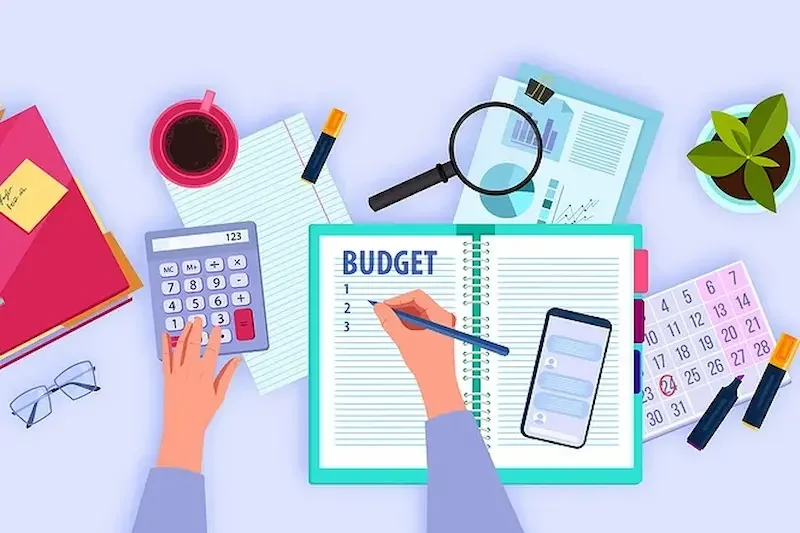
Creating a budget is a key step toward financial stability. It’s like giving your money a purpose—telling each dollar where it should go instead of letting it disappear without notice. A well-planned budget helps you control expenses, save consistently, and avoid financial stress.
Step 1: Calculate Your Total Income
Include all sources of income:
- Salary or wages
- Freelance or side hustle income
- Bonuses, dividends, or other sources
Knowing your total monthly income gives you a clear picture of how much money you have to work with.
Step 2: List Every Expense
Write down all monthly expenses, breaking them into categories:
- Fixed essentials: rent, utilities, insurance, loan payments
- Variable essentials: groceries, transportation, household supplies
- Lifestyle expenses: eating out, entertainment, hobbies, subscriptions
- Savings & investments: emergency fund, retirement, mutual funds
Including every expense, no matter how small, is important for accuracy. Even small purchases like daily coffee or snacks can add up. simple finance tips
Step 3: Set Spending Limits for Each Category
A popular and simple method is the 50/30/20 rule:
- 50% for needs (rent, bills, groceries)
- 30% for wants (dining out, entertainment, shopping)
- 20% for savings and debt repayment
You can adjust the percentages based on your personal goals. For example, if your priority is saving aggressively, you could allocate 30% for savings. simple finance tips
Step 4: Track Your Spending Regularly
Use a notebook, spreadsheet, or budgeting app to record your expenses. Track your spending daily or weekly to ensure you stay within your limits. Many apps categorize spending automatically and provide graphs to visualize where your money is going. simple finance tips
Step 5: Adjust and Optimize
Budgets are flexible. If you overspend in one category, adjust another to stay balanced. Review your budget monthly to make improvements, cut unnecessary expenses, and increase savings. simple finance tips
Step 6: Plan for Savings First
Include a “pay yourself first” strategy. Decide on a fixed amount or percentage of your income to save at the beginning of each month. Automate transfers to a savings account so that saving becomes effortless. simple finance tips
Example:
Monthly income: $1,500
- Needs (50%): $750
- Wants (30%): $450
- Savings & debt (20%): $300
Even small adjustments, like cutting $50 from discretionary spending, can increase your savings significantly over time.
Step 7: Use Practical Tips to Stick to Your Budget
- Keep cash for discretionary spending to avoid overspending
- Cancel unused subscriptions
- Cook at home more often instead of dining out
- Plan shopping lists before buying essentials simple finance tips
Benefits of Budgeting
- Gives clarity on your financial situation
- Prevents overspending and builds discipline
- Ensures consistent savings and debt repayment
- Helps achieve short-term and long-term financial goals
- Encourages mindful and intentional spending
Creating a budget doesn’t have to be overwhelming. Start small, track everything, and adjust as needed. Over time, a simple budgeting habit can give you full control over your finances and help you build a secure financial future. simple finance tips
Save Before You Spend

Saving money doesn’t have to be complicated. The key is to make it a priority, not an afterthought. Most people try to save what’s left at the end of the month, but often there’s nothing left. By saving before spending, you ensure consistent progress toward your financial goals. simple finance tips
Pay Yourself First
Decide on a fixed amount or percentage of your income to save immediately after receiving your paycheck. Treat this like a non-negotiable expense, just like rent or bills. simple finance tips
Example:
- Monthly income: $2,000
- Savings goal: 15% ($300)
- Automatically transfer $300 to a separate savings account on payday
This way, you never have the temptation to spend it on unnecessary items. simple finance tips
Start Small and Build Gradually
If saving 15–20% of your income feels difficult, start small. Even saving $5–$10 per day can grow significantly over time.
Example:
- $5/day × 30 days = $150/month
- $150/month × 12 months = $1,800/year
Once you get used to saving, gradually increase the amount as your income grows or your expenses decrease.
Use Separate Accounts or Tools
Keep your savings separate from your main spending account. Options include:
- A dedicated savings account
- Digital wallets with locked savings features
- Investment accounts for long-term growth
Having money separate prevents accidental spending and helps you track progress easily.
Automate Your Savings
Automation makes saving effortless. Set up automatic transfers from your checking account to savings or investment accounts on payday. This removes the need to remember or rely on discipline alone.
Link Savings to Goals
Saving becomes more motivating when tied to goals. Examples:
- Emergency fund for unexpected expenses
- Vacation or travel fund
- Home down payment
- Retirement or investment fund
Knowing what your savings are for makes it easier to resist the temptation to spend.
Combine Saving with Smart Budgeting
Treat savings as a fixed expense in your budget. Adjust discretionary spending categories like dining out, shopping, or entertainment to accommodate your savings goal. This ensures you’re consistently saving without feeling deprived.
Avoid Dipping into Savings
Avoid using your savings for non-essential purchases. Emergencies are the only exception. Protecting your savings builds financial discipline and long-term security.
Benefits of Saving Before Spending
- Builds a strong financial safety net
- Reduces reliance on credit or loans
- Encourages mindful spending and better budgeting
- Makes long-term financial goals achievable
- Creates a habit of financial discipline that grows over time
Quick Tips to Make It Easier
- Automate transfers on payday
- Round up purchases and save the difference
- Keep a visual tracker of savings goals for motivation
- Start small but remain consistent
Saving before spending is one of the simplest yet most powerful financial habits. Even small daily amounts, when saved consistently, can grow into significant wealth over time. The key is starting now and making it a habit.
Why should I track my spending?
Tracking spending helps you see where your money goes, identify unnecessary expenses, and make smarter financial decisions.
How do I create a budget if my income varies?
Start with an average monthly income. Allocate percentages for needs, wants, and savings. Adjust your budget each month based on actual earnings.
How much should I save each month?
Even saving 5–10% of your income consistently can make a big difference. Increase the percentage as your income grows.
Conclusion
Managing your money doesn’t have to be complicated. By following simple finance tips—like tracking your spending, creating a budget, saving before you spend, reducing debt, and planning for the future—you can take control of your finances and build long-term security.
The key is consistency and awareness. Even small daily habits, when practiced regularly, can grow into significant savings and help you achieve your financial goals.
Remember, managing money is not about restriction—it’s about making smart choices, staying disciplined, and creating a secure financial foundation. Start with simple steps today, and over time, you’ll see how small changes lead to big results.