
Managing money may seem complicated, but it doesn’t have to be. With the right approach and simple strategies, anyone can take control of their finances. These easy personal finance tips are designed to help beginners understand money better, reduce financial stress, and build a secure future step by step.
Personal finance is not about earning a huge salary—it’s about managing what you already have wisely. By learning how to budget, save, avoid unnecessary debt, and plan for the future, you can create financial stability and confidence. Even small improvements in your daily money habits can lead to big long-term results.
In this article, you’ll discover practical and easy personal finance tips that are simple to follow and realistic for everyday life. Whether you’re just starting your financial journey or looking to improve your money management skills, these tips will help you make smarter financial decisions and achieve your goals.
Understand Your Financial Situation
Understanding your financial situation is the foundation of good money management. Before you can save more, invest, or reduce debt, you need a clear picture of where you stand financially. Many people avoid looking at their finances because it feels stressful, but awareness actually reduces stress and gives you control. easy personal finance tips
Calculate Your Total Income
Start by identifying all your sources of income. This may include your salary, business profits, freelance work, rental income, or any side hustle earnings. Focus on your net income, which is the amount you receive after taxes and deductions. Knowing your exact monthly income helps you plan realistically and avoid overspending. easy personal finance tips
List All Your Expenses
Next, write down every expense you have. Divide them into fixed expenses and variable expenses. Fixed expenses include rent, loan payments, insurance, and utility bills. Variable expenses include groceries, shopping, eating out, entertainment, and transportation. Be honest and include even small daily purchases, because small costs add up over time. easy personal finance tips
Identify Spending Patterns
After listing your expenses, review them carefully. Look for patterns in your spending. Are you spending too much on non-essential items? Are subscriptions or impulse purchases taking a big portion of your income? Identifying these habits helps you find areas where you can cut back and save more. easy personal finance tips
Check Your Financial Balance
Compare your total income with your total expenses. If you are spending less than you earn, that’s a good sign—you can increase savings or investments. If you are spending more than you earn, it’s time to adjust your budget and reduce unnecessary costs. easy personal finance tips
Understanding your financial situation gives you clarity, confidence, and direction. Once you know your numbers, making smart financial decisions becomes much easier and more effective. easy personal finance tips
you may also like to read these posts;
How Personal Loans Work: Beginner’s Complete Guide
How to Check Loan Eligibility and Get Approved Quickly
Safe Loan Tips for Easy Approval and Smart Borrowing
Loan Approval Tips to Boost Your Approval Chances
Loan Basics for Beginners: Tips for Smart Borrowing
Create a Simple and Realistic Budget

Creating a simple and realistic budget is one of the most powerful steps you can take to improve your financial life. A budget is not about limiting yourself or feeling restricted. Instead, it is a tool that helps you manage your money wisely, reduce stress, and reach your financial goals faster. When you give every dollar a purpose, you stay in control of your finances. easy personal finance tips
Start With Your Income First
Before planning your expenses, clearly understand how much money you bring in each month. Use your net income, which is the amount you actually receive after taxes and deductions. If your income changes every month, calculate an average based on the last three to six months. This gives you a stable number to work with. easy personal finance tips
Prioritize Essential Expenses
Your first responsibility is covering your basic needs. These include rent or mortgage, utilities, groceries, transportation, insurance, and minimum loan payments. Make sure these are fully covered before spending money on non-essential items. Taking care of your needs first ensures financial stability. easy personal finance tips
Choose a Budgeting Method That Fits You
Different people prefer different budgeting styles. The 50/30/20 rule is simple and works well for beginners, but you can also try zero-based budgeting, where every dollar is assigned a specific purpose. The best method is the one you can stick to consistently. Keep it simple and avoid making your system too complicated. easy personal finance tips
Plan for Savings From the Beginning
Savings should not be an afterthought. Treat savings like a fixed monthly expense. Decide on a specific percentage or amount and include it in your budget. Even saving a small amount regularly builds strong financial discipline and long-term security. easy personal finance tips
Leave Room for Enjoyment
A good budget allows you to enjoy life without guilt. Allocate money for hobbies, entertainment, and personal treats. When your budget includes fun spending, you are less likely to overspend or give up on your plan. Balance is key.
Prepare for Unexpected Costs
Include a small category for unexpected expenses such as minor repairs or medical costs. Planning for surprises prevents financial setbacks and keeps your budget stable.
Monitor and Improve Your Budget
At the end of each month, review your spending. Compare what you planned with what you actually spent. Identify areas where you overspent and adjust for the next month. Budgeting is a learning process, and small improvements over time lead to big results.
A simple and realistic budget gives you clarity, control, and confidence. When your money is organized and planned properly, you can focus on building wealth and achieving your financial goals with less stress.
Track Your Spending Regularly
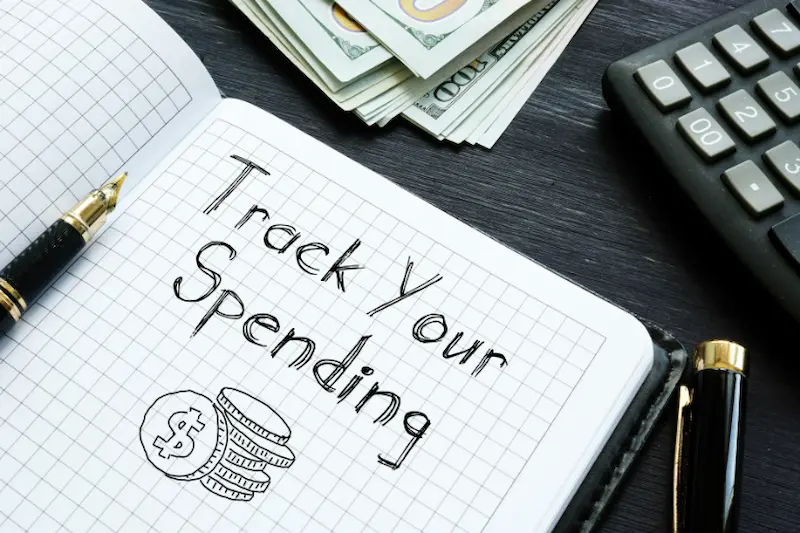
Tracking your spending regularly is one of the most effective easy personal finance tips for beginners. Many people don’t realize how small daily expenses add up over time. When you track your spending, you become more aware of where your money goes, which helps you make smarter financial decisions. Improving your finances does not require complicated strategies or expert knowledge. By following easy personal finance tips like tracking your spending, creating a simple budget, saving regularly, and reducing unnecessary expenses, you can build a strong financial foundation. Small, consistent actions often lead to the biggest long-term results.
Understand Where Your Money Goes
Start by recording every expense, even small purchases like snacks, coffee, or online subscriptions. These small costs may seem unimportant, but together they can take a large portion of your income. When you see everything written down, it becomes easier to control unnecessary spending.
Use Simple Tools to Track Expenses
You don’t need complicated systems to track your money. You can use a notebook, a spreadsheet, or a budgeting app. Choose a method that feels easy and convenient for you. The simpler the system, the more likely you are to stick with it consistently.
Review Your Spending Weekly or Monthly
Set aside time each week or at least once a month to review your expenses. Compare your actual spending with your budget. Check where you stayed within limits and where you overspent. Regular reviews help you adjust quickly before small problems become big financial issues.
Identify Areas to Improve
Tracking your spending helps you spot patterns. Maybe you are spending too much on dining out, online shopping, or entertainment. Once you identify these areas, you can set limits and redirect that money toward savings or debt repayment.
Build Better Money Habits
When you track your spending consistently, you naturally become more mindful about how you use your money. Over time, this habit strengthens your financial discipline and helps you stay aligned with your goals.
Regularly tracking your expenses keeps you in control of your finances and makes budgeting easier. The more aware you are of your spending, the easier it becomes to save, invest, and achieve financial stability.
What are easy personal finance tips for beginners?
Easy personal finance tips include tracking your spending, creating a simple budget, saving regularly, avoiding unnecessary debt, and setting clear financial goals. These small habits can make a big difference over time.
How much should I save each month?
A common recommendation is to save at least 20% of your income, but if that feels difficult, start with 5% or 10%. The most important thing is to save consistently, even if the amount is small.
Why is tracking spending important?
Tracking your spending helps you understand where your money goes. It shows you unnecessary expenses and helps you adjust your budget to improve your financial health.
Conclusion
Improving your finances doesn’t have to be complicated or overwhelming. By following easy personal finance tips, you can take control of your money and create a secure financial future. Start by tracking your spending, creating a realistic budget, and paying yourself first. Small, consistent actions like saving a portion of your income, cutting unnecessary expenses, and avoiding high-interest debt can add up to big results over time.
Building good money habits also means setting clear financial goals and reviewing your progress regularly. Whether your goal is paying off debt, saving for a house, or planning for retirement, having a plan keeps you motivated and focused. Remember, personal finance is a journey, not a race. Each step you take toward managing your money wisely brings you closer to financial freedom.
With patience, discipline, and consistent effort, you can reduce stress, make smarter spending choices, and grow your savings. The key is to start today, no matter how small the steps, because every positive habit you build now strengthens your financial confidence and lays the foundation for a stable, prosperous future.