
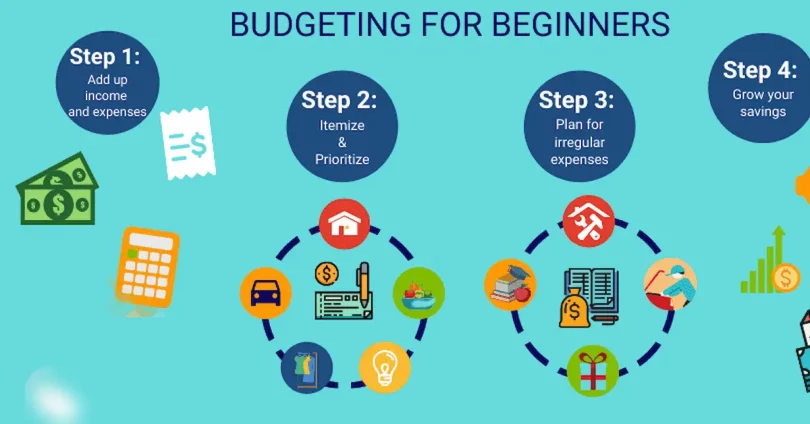

Managing money can feel overwhelming, especially if you are just starting out. Many beginners struggle with saving, controlling spending, and planning for the future. Without a clear plan, it’s easy to run out of money before the end of the month or rely too much on credit.
That’s where budget tips for beginners become important. A simple budget helps you understand where your money goes, reduce unnecessary expenses, and build healthy financial habits. The good news is that budgeting does not have to be complicated. With a few easy steps and consistent effort, anyone can take control of their finances.
In this guide, you’ll learn practical and beginner-friendly budgeting tips that will help you save more, spend smarter, and achieve your financial goals with confidence. budget tips for beginners
What Is a Budget?
Simple Definition of a Budget
A budget is a financial plan that helps you manage your income and expenses. It shows how much money you earn, how much you spend, and how much you save. In simple words, a budget helps you control your money instead of letting your money control you. budget tips for beginners
Why Is a Budget Important?
Many people spend money without planning and later feel stressed about bills or savings. A budget gives you clarity and direction. It helps you avoid overspending, save money regularly, prepare for emergencies, and reach your financial goals faster. When you know exactly where your money is going, you can make smarter financial decisions. budget tips for beginners
Main Parts of a Budget
Every basic budget includes three main parts. Income is the money you receive every month, such as salary, business income, freelance work, or side earnings. Expenses are your monthly costs like rent, utility bills, groceries, transportation, and entertainment. Expenses can be fixed, meaning they stay the same every month, or variable, meaning they change. Savings is the money you set aside for future needs like emergencies, travel, buying a car, or retirement. budget tips for beginners
Budgeting Is Not About Restricting Yourself
Many beginners think budgeting means stopping all fun spending, but that is not true. A good budget allows you to enjoy life while still saving money. It helps you balance your needs, wants, and savings in a smart and practical way. budget tips for beginners
How a Budget Helps Beginners
For beginners, a budget builds strong financial habits and teaches discipline, planning, and responsibility. Even a simple monthly plan can reduce financial stress and improve your confidence in managing money. Starting with a basic budget is one of the smartest financial decisions you can mak
you may also like to read these posts;
How Personal Loans Work: Beginner’s Complete Guide
How to Check Loan Eligibility and Get Approved Quickly
Safe Loan Tips for Easy Approval and Smart Borrowing
Loan Approval Tips to Boost Your Approval Chances
Loan Basics for Beginners: Tips for Smart Borrowing
Know Your Monthly Income
Why Knowing Your Income Is Important
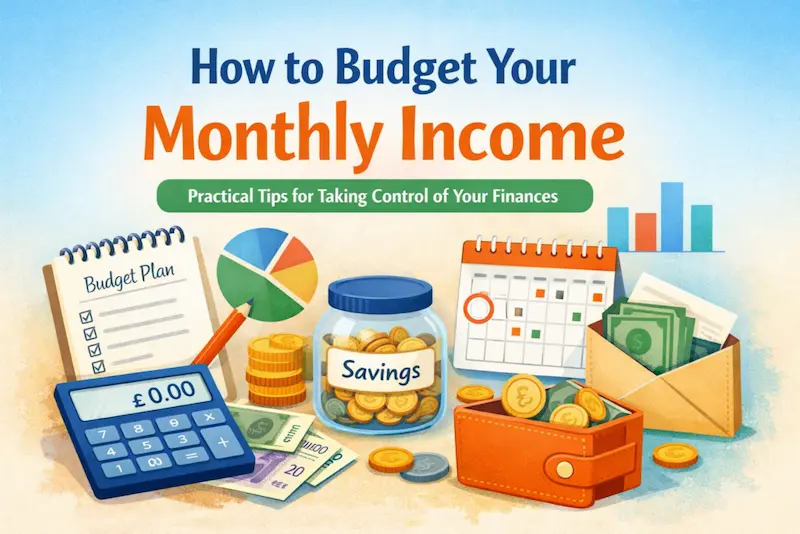
Before creating a budget, you must clearly understand how much money you earn each month. Your income is the foundation of your financial plan. If you guess or estimate incorrectly, you may overspend or struggle to save. Knowing your exact income helps you make realistic decisions and stay financially stable. budget tips for beginners
Calculate Your Net Income
Always focus on your net income, not your gross income. Net income is the money you receive after taxes, insurance, or other deductions. This is the actual amount available for spending and saving. Using your gross income can lead to budgeting mistakes because that money is not fully available to you. budget tips for beginners
Include All Income Sources
Your monthly income may come from different sources. These can include your salary, freelance work, business profits, commissions, rental income, or side hustles. Make sure you list all regular sources of income so you get a complete picture of your finances. budget tips for beginners
How to Handle Irregular Income
If your income changes every month, calculate the average of the last three to six months. This gives you a stable number to use in your budget. You can also base your budget on your lowest monthly income to stay safe and avoid financial stress. budget tips for beginners
Separate Regular and Extra Income
Do not depend on bonuses, gifts, or one-time payments for your regular expenses. Treat extra income as a bonus. You can use it to build savings, invest, or pay off debt faster. This helps you maintain financial security. budget tips for beginners
Keep a Record of Your Earnings
Write down your income in a notebook, spreadsheet, or budgeting app. Keeping a clear record improves financial awareness and helps you track growth over time. When you fully understand your income, you create a strong foundation for successful budgeting and smarter money management. budget tips for beginners
Track Your Expenses
Tracking your expenses is one of the most important steps in managing your money. Many beginners spend without realizing where their money goes, which can make saving and budgeting difficult. By keeping track of all your expenses, you gain a clear picture of your spending habits and can identify areas to save. budget tips for beginners
Why Tracking Expenses Matters
When you track your spending, you can see exactly how much goes to essentials like rent, groceries, and bills, and how much goes to non-essential items like entertainment or dining out. This awareness helps you avoid overspending and ensures your money is being used wisely. budget tips for beginners
Methods to Track Your Expenses
There are several easy ways to track your spending:
- Notebook: Write down every expense daily. This method is simple and effective for beginners.
- Spreadsheet: Use Excel or Google Sheets to record and categorize your expenses. This helps you analyze spending trends over time. budget tips for beginners
- Budgeting Apps: Apps like Mint, YNAB, or PocketGuard automatically track and categorize your expenses, giving you a clear visual of your spending habits. budget tips for beginners
Include All Expenses
Don’t ignore small purchases like coffee, snacks, or transportation costs. Even tiny amounts add up over time. Tracking every expense gives a more accurate view of your finances and helps you find opportunities to save. budget tips for beginners
Review and Analyze Spending
After tracking your expenses for a few weeks, review your spending patterns. Look for unnecessary or avoidable expenses, and identify areas where you can cut back. For example, frequent takeout meals or subscription services you rarely use may be costing more than you realize. budget tips for beginners
Benefits of Tracking Expenses
- Helps you see exactly where your money goes
- Identifies areas to cut costs and save more
- Encourages mindful spending
- Makes budgeting easier and more accurate
Tracking your expenses is not about restricting yourself. It’s about creating awareness and control over your money so you can spend smarter, save consistently, and reach your financial goals.budget tips for beginners
Choose a Simple Budgeting Method
Choosing a budgeting method makes managing your money easier, especially if you’re a beginner. A good method gives structure to your income and expenses, helping you spend wisely, save consistently, and avoid financial stress.
The 50/30/20 Rule
One of the simplest and most popular budgeting methods is the 50/30/20 rule:
- 50% for Needs: Essentials like rent, groceries, utilities, and transportation
- 30% for Wants: Entertainment, dining out, hobbies, and shopping
- 20% for Savings and Debt Repayment: Emergency fund, investments, and paying off loans
This method is easy to follow and provides a balanced approach for managing both necessities and discretionary spending.
Zero-Based Budgeting
Zero-based budgeting means assigning every dollar of your income a purpose until your income minus expenses equals zero. This method ensures that no money is left unplanned, helping you control spending and prioritize savings. It’s ideal for those who want complete control over their finances.
Envelope Method
The envelope method uses cash for specific spending categories. You place money into envelopes labeled for groceries, entertainment, or transport. Once the money in an envelope is gone, you stop spending in that category. This method is great for beginners who struggle with overspending or want a more hands-on approach.
Choose What Works for You
The best budgeting method is the one you can stick to consistently. Start simple with the 50/30/20 rule if you are new to budgeting. As you gain experience, you can try other methods like zero-based budgeting or envelopes to manage your money more precisely.
Choosing a clear and simple budgeting method helps you take control of your finances, reduce stress, and build healthy money habits that last a lifetime.
What is the easiest budgeting method for beginners?
The 50/30/20 rule is simple and effective. It divides your income into needs (50%), wants (30%), and savings/debt (20%).
How do I track my expenses effectively?
You can track expenses using a notebook, spreadsheet, or budgeting apps. Record everything, even small purchases, for a complete view of your spending.
How much of my income should I save each month?
A good starting point is 20% of your monthly income. If that’s difficult, start small and gradually increase your savings.
Conclusion
Creating a budget may seem challenging at first, but it is one of the most powerful tools for taking control of your finances. By knowing your income, tracking your expenses, choosing a simple budgeting method, and setting clear goals, you can manage your money with confidence.
Budgeting is not about restriction—it’s about making smart choices, planning ahead, and building healthy financial habits. Even small changes, like tracking spending or saving a little each month, can lead to big results over time.
For beginners, the key is consistency and awareness. Start simple, stick to your plan, and adjust as needed. Over time, these small, intentional steps will help you reduce stress, save more, avoid debt, and achieve your financial goals.
Taking control of your budget today is the first step toward a secure and financially confident future.