


Managing money can feel overwhelming, especially if you are just starting out. Many beginners struggle with saving, controlling spending, and planning for the future. Without a clear plan, it’s easy to run out of money before the end of the month or rely too much on credit.
Developing smart money habits is the key to taking control of your finances. These habits help you spend wisely, save consistently, avoid unnecessary debt, and build long-term financial security. The good news is that smart money habits don’t have to be complicated. Even small, simple changes can make a big difference over time.
In this guide, you’ll learn practical, easy-to-follow money habits that anyone can start today. From tracking spending to budgeting, saving, and investing, these tips will help you build a strong financial foundation and achieve your goals with confidence. smart money habits
Track Your Spending
One of the most important smart money habits is tracking your spending. Many people spend money without realizing where it goes, making it hard to save or plan for the future. Keeping track of every expense gives you control over your finances and helps you make smarter money decisions. smart money habits
Why Tracking Matters
Tracking your spending shows you exactly how your money is being used. You can see how much goes to essentials like rent, groceries, bills, and transportation, and how much is spent on wants like dining out, shopping, or subscriptions. By understanding your spending habits, you can identify unnecessary expenses and redirect that money toward savings or financial goals. smart money habits
Methods to Track Expenses
There are several ways to track spending, and you can choose what works best for you:
- Notebook or Journal: Write down every purchase daily. It’s simple, effective, and gives a clear picture of your habits.
- Spreadsheets: Use Excel or Google Sheets to categorize expenses by type, total them, and track trends over time.
- Budgeting Apps: Apps like Mint, YNAB, PocketGuard, or Goodbudget automatically track and categorize spending. They also provide visual insights like graphs and charts to make analysis easier. smart money habits
Include Every Expense
Even small purchases matter. Coffee, snacks, online subscriptions, or transportation costs can add up quickly. Ignoring these “minor” expenses can create holes in your budget. Record everything, no matter how small, to get an accurate view of your spending. smart money habits
Analyze Your Spending Patterns
After tracking your expenses for a few weeks or a month, review them carefully. Ask yourself:
- Are there expenses I can reduce or eliminate?
- Am I spending more on wants than needs?
- Where can I save extra money for my goals?
For example, if you notice spending $50 a month on unused subscriptions, canceling them could add $600 to your savings annually. Small adjustments like this make a big difference over time. smart money habits
Benefits of Tracking Spending
- Gives clear visibility of where your money goes
- Helps you stick to a budget
- Encourages mindful spending and smart decisions
- Identifies opportunities to save and invest more
- Reduces financial stress by giving you control over your finances
Tracking your spending is not a one-time task—it’s a habit that grows stronger over time. Consistently monitoring your expenses helps you stay aware, make better choices, and lays the foundation for all other smart money habits, including budgeting, saving, and investing. smart money habits
you may also like to read these posts;
How Personal Loans Work: Beginner’s Complete Guide
How to Check Loan Eligibility and Get Approved Quickly
Safe Loan Tips for Easy Approval and Smart Borrowing
Loan Approval Tips to Boost Your Approval Chances
Loan Basics for Beginners: Tips for Smart Borrowing
Create a Budget
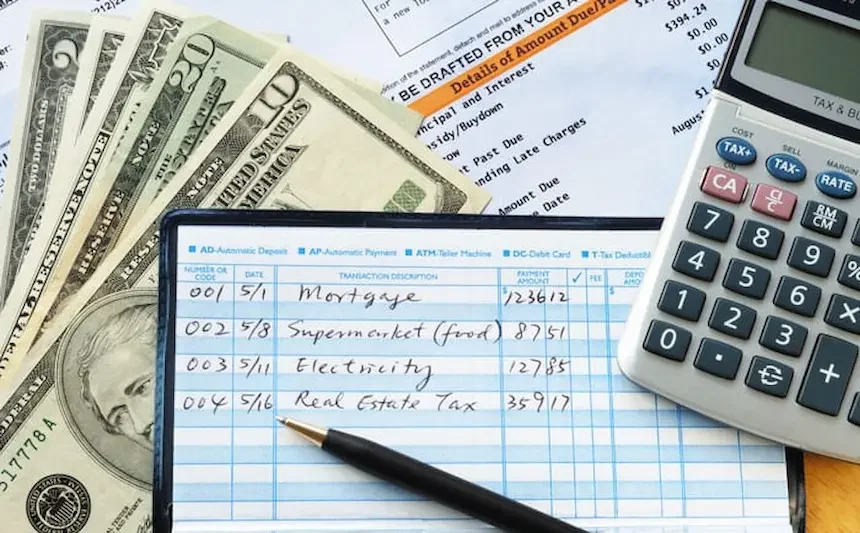
Creating a budget is one of the most important smart money habits for managing your finances. A budget is essentially a financial plan that helps you understand how much money you earn, how much you spend, and how much you can save. By giving every dollar a purpose, a budget ensures your money works for you instead of disappearing without a plan.
Why Budgeting Matters
Without a budget, it’s easy to overspend, accumulate debt, or miss out on savings opportunities. A clear budget provides:
- Control over your spending – You’ll know exactly where your money goes
- Consistency in saving – You set aside money before it’s gone
- Debt reduction – Helps prioritize high-interest payments
- Financial clarity – You’ll feel confident about your money decisions
- Goal achievement – Allows you to save for short-term and long-term objectives
Popular Budgeting Methods for Beginners
50/30/20 Rule
This method is easy and balanced for beginners:
- 50% for Needs: Essentials like rent, groceries, utilities, and transportation
- 30% for Wants: Dining out, entertainment, hobbies, shopping
- 20% for Savings and Debt: Emergency fund, investments, debt payments
Zero-Based Budgeting
Assign every dollar of your income a role so that your income minus expenses equals zero. This ensures no money goes unplanned and helps control spending while prioritizing savings.
Envelope Method
Use cash for different spending categories. Place money in envelopes labeled for groceries, transport, or entertainment. Once the money in an envelope is gone, you cannot spend more in that category. This method works well for those who overspend or prefer a hands-on approach.
Steps to Create Your Budget
- Determine Your Income: Include all sources like salary, freelance income, or side hustles
- Track Your Expenses: Know how much you spend on fixed and variable costs
- Choose a Budgeting Method: Use a method that fits your lifestyle, like 50/30/20, zero-based, or envelopes
- Allocate Your Money: Assign your income to needs, wants, savings, and debt
- Review Regularly: Adjust your budget monthly based on changes in income or expenses
Tips for Beginners
- Start simple and don’t overcomplicate your budget
- Use budgeting apps or spreadsheets for easy tracking
- Include small purchases like coffee or snacks; they add up
- Be flexible—budgets are tools, not strict rules
- Set realistic goals to stay motivated
Benefits of Budgeting
- Spend Wisely: Know exactly where your money goes
- Save Consistently: Prioritize saving before spending
- Avoid Debt: Keep control of credit card and loan payments
- Reduce Financial Stress: Gain clarity and peace of mind
- Achieve Goals: Budgeting helps fund short-term needs and long-term dreams
Creating a budget is not about limiting yourself—it’s about giving your money direction. Start simple, track your spending, and allocate funds thoughtfully. Over time, budgeting becomes a natural habit that strengthens your financial confidence, reduces stress, and sets the foundation for smart money management.
Pay Yourself First
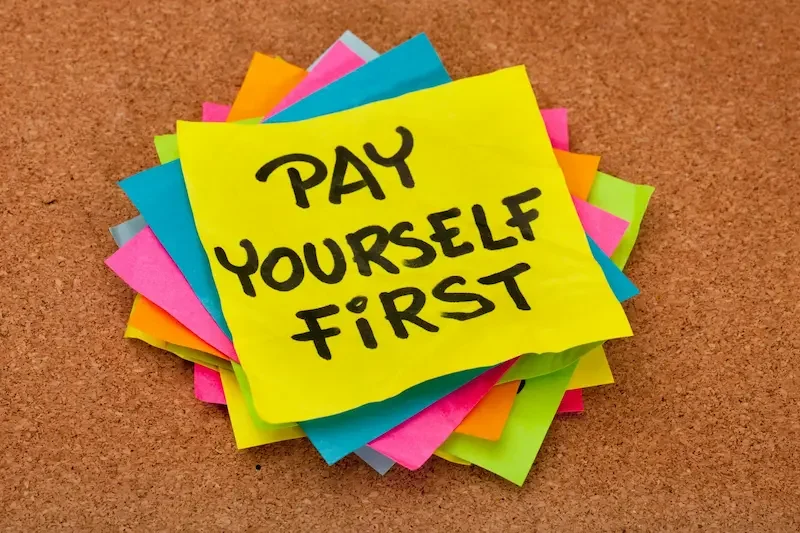
One of the most powerful smart money habits is to pay yourself first. This means setting aside a portion of your income for savings or investments before you spend on anything else. By prioritizing your future financial security, you ensure that saving becomes a consistent habit rather than an afterthought.
Why “Pay Yourself First” Matters
Many people save only what is left over at the end of the month, which often ends up being very little—or nothing at all. Paying yourself first reverses this pattern and helps you:
- Build savings automatically
- Develop financial discipline
- Reach goals faster, like buying a house, traveling, or creating an emergency fund
- Reduce the temptation to overspend
How to Pay Yourself First
- Decide on a Percentage: Most experts recommend saving 10–20% of your income. If that’s too much initially, start small and increase gradually.
- Automate Savings: Set up automatic transfers to a savings or investment account right after payday. Automation makes saving effortless and ensures consistency.
- Separate Accounts: Use a dedicated savings account or investment account to prevent accidental spending.
- Prioritize Your Goals: Decide what your savings will go toward—emergency fund, retirement, investments, or a specific purchase—and focus on that goal first.
Practical Example
If your monthly income is $2,000 and you decide to save 15%, set aside $300 immediately into a savings account. The remaining $1,700 is used for expenses and discretionary spending. By consistently doing this each month, your savings grow steadily without affecting your lifestyle.
Benefits of Paying Yourself First
- Builds an emergency fund for unexpected expenses
- Encourages long-term financial planning
- Helps you avoid living paycheck to paycheck
- Creates financial security and peace of mind
Paying yourself first is a simple yet transformative habit. It trains you to think about your financial future, not just immediate needs. When practiced consistently, it lays the foundation for wealth building, smart spending, and a secure financial life.
What are smart money habits?
Smart money habits are consistent financial behaviors that help you save, spend wisely, avoid debt, and grow wealth over time.
How do I start building smart money habits?
Start with simple steps: track your spending, create a budget, pay yourself first, save regularly, and avoid unnecessary debt.
Can small savings really make a difference?
Yes! Even small, consistent savings add up over time due to compounding, helping you achieve larger financial goals.
Conclusion
Developing smart money habits is the key to taking control of your finances and building long-term financial security. These habits are not about restricting yourself—they are about making thoughtful choices, planning ahead, and letting your money work for you.
By tracking your spending, creating a budget, paying yourself first, reducing debt, and saving for emergencies, you can gain clarity and confidence in managing your money. Even small, consistent actions can lead to big results over time.
The most important thing is to start today and stay consistent. Smart money habits build gradually, but with dedication, they help you reduce stress, save more, avoid unnecessary debt, and achieve your financial goals. Taking control of your finances now lays the foundation for a secure and prosperous future.